Joint replacement surgery has changed significantly in recent years. Procedures such as total knee and total hip replacement that once required an extended hospital stay can now be performed in an outpatient setting for eligible patients, allowing them to return home the same day as surgery.
At Oregon Surgical Institute (OSI), the outpatient joint replacement experience is designed around preparation, education and coordinated care. From getting ready before surgery to beginning recovery at home, understanding what to expect can help you and your caregiver feel more prepared for the process.
Here is what the outpatient surgery experience at OSI typically looks like.
How to Prepare Before Outpatient Surgery
Preparation begins well before the day of your procedure. Your surgeon and the OSI team will provide instructions based on your procedure, health history and individual needs.
For total joint replacement patients, an Orthopedic Care Coordinator will help guide you and your caregiver through the process. As part of preparing for surgery, patients attend a pre-operative education class that reviews total joint replacement guidelines and provides important information to help you feel prepared for surgery and recovery.
Before surgery, you may need to complete laboratory testing, an EKG or other testing based on your individual needs. Your health history will also be reviewed by the anesthesiology team.
OSI requires patients to complete a medical history questionnaire through One Medical Passport at least 48 hours before their scheduled procedure. Be prepared to provide information about your current medications, allergies and sensitivities, previous surgeries and medical history.
You will also need to plan for transportation and support after surgery. OSI requires a responsible adult to take you home and care for you during the first 24 hours following surgery. Total joint replacement patients should follow the additional caregiver or “coach” instructions provided by the OSI team.
The day before surgery, the OSI team will reach out multiple times to review important information, confirm your check-in time, and to put you and your loved ones at ease. Be sure to carefully follow the eating, drinking and medication instructions provided to you, as these can affect whether your procedure can safely move forward.
What Happens on the Day of Surgery
On the day of your outpatient surgery, arrive at OSI at the check-in time provided by the pre-operative nurse. Bring your photo ID, insurance information and any other documents the OSI team has asked you to bring. Wear clean, loose-fitting clothing that can comfortably accommodate bandages, splints or other post-surgical needs.
After check-in, you will change into a surgical gown and prepare for your procedure. The OSI team will meet with you and your care giver to review your medical history, medications and anesthesia plan and answer questions before surgery.
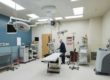
OSI was designed specifically to accommodate complex outpatient procedures, including total joint replacement. The facility includes larger operating rooms, wider hallways and dedicated recovery areas to support patients as they move through each phase of care.
Throughout the day, OSI’s surgical and clinical teams work together to provide coordinated care while preparing you to safely begin your recovery outside of the surgery center.
What to Expect Before Going Home
Following surgery, you will be moved to OSI’s recovery area, where the clinical team will monitor you as you wake from anesthesia and prepare for discharge.
Some discomfort around the surgical area is expected, and you may also experience temporary drowsiness or dizziness depending on the anesthesia you received. Recovery time varies based on the procedure and the individual patient, so the OSI team will determine when you are ready to leave.
For outpatient total joint replacement patients, getting up and moving is an important part of the early recovery process. Patients may begin walking through OSI’s hallways and practicing stairs within hours of surgery. Most total joint replacement patients can expect to go home approximately six hours after arriving at OSI.
Before you leave, the OSI team will make sure you and your caregiver understand the instructions for recovering at home and answer all your questions. These instructions may include information about medications, activity, physical therapy, incision care and follow-up based on your specific procedure.
What Recovery at Home Looks Like
One of the defining differences of outpatient joint replacement is that much of your recovery takes place in your own home rather than during an extended hospital stay.
Your surgeon will provide specific instructions for your recovery, and it is important to follow those instructions closely. During the first 24 hours after surgery, OSI advises patients to avoid strenuous activity, alcohol, driving and making important decisions.
For total joint replacement patients, recovery may also include support from a caregiver or coach, physical therapy and ongoing communication with the OSI team. Orthopedic Care Coordinators follow up with patients after surgery and can communicate with patients through the MyMobility program.
OSI’s nursing staff will also follow up after surgery to see how your recovery is progressing and help answer questions. If you experience a concern or difficulty during recovery, follow the instructions provided by your surgeon and contact your surgeon’s office.
Outpatient surgery is designed to combine specialized surgical care with the comfort of recovering at home. At OSI, patient education, coordinated care and preparation help support patients throughout the process, from the days leading up to surgery through the transition home.
Frequently Asked Questions About Outpatient Joint Replacement
Who is a candidate for outpatient joint replacement?
Candidates for outpatient joint replacement are patients whose overall health, medical history and procedure make same-day surgery an appropriate option. OSI’s anesthesiology team plays an important role in evaluating a patient’s medical readiness for outpatient surgery, while your surgeon can determine whether an outpatient procedure is appropriate for your specific needs.
How long does it take to recover from outpatient joint replacement?
Recovery from outpatient joint replacement looks different for every patient, with progress happening at your own pace. Your surgeon and physical therapist will guide you through activity and rehabilitation as you gradually return to the activities you enjoy. With outpatient joint replacement, you can begin this important stage of recovery in the comfort and familiarity of your own home.
How can I prepare my home for recovery after joint replacement?
You can prepare your home for recovery by having the recommended supplies and equipment ready before surgery and planning for the support you may need. Talk with the OSI team about any specific equipment or home preparations recommended for your procedure. Patients should also work with their caregiver or coach to make sure their home is ready for a safe and comfortable recovery.
Interested in learning more about OSI’s outpatient joint replacement? Get in touch, and we’ll be happy to answer any of your questions.